Island of Monte Cristo
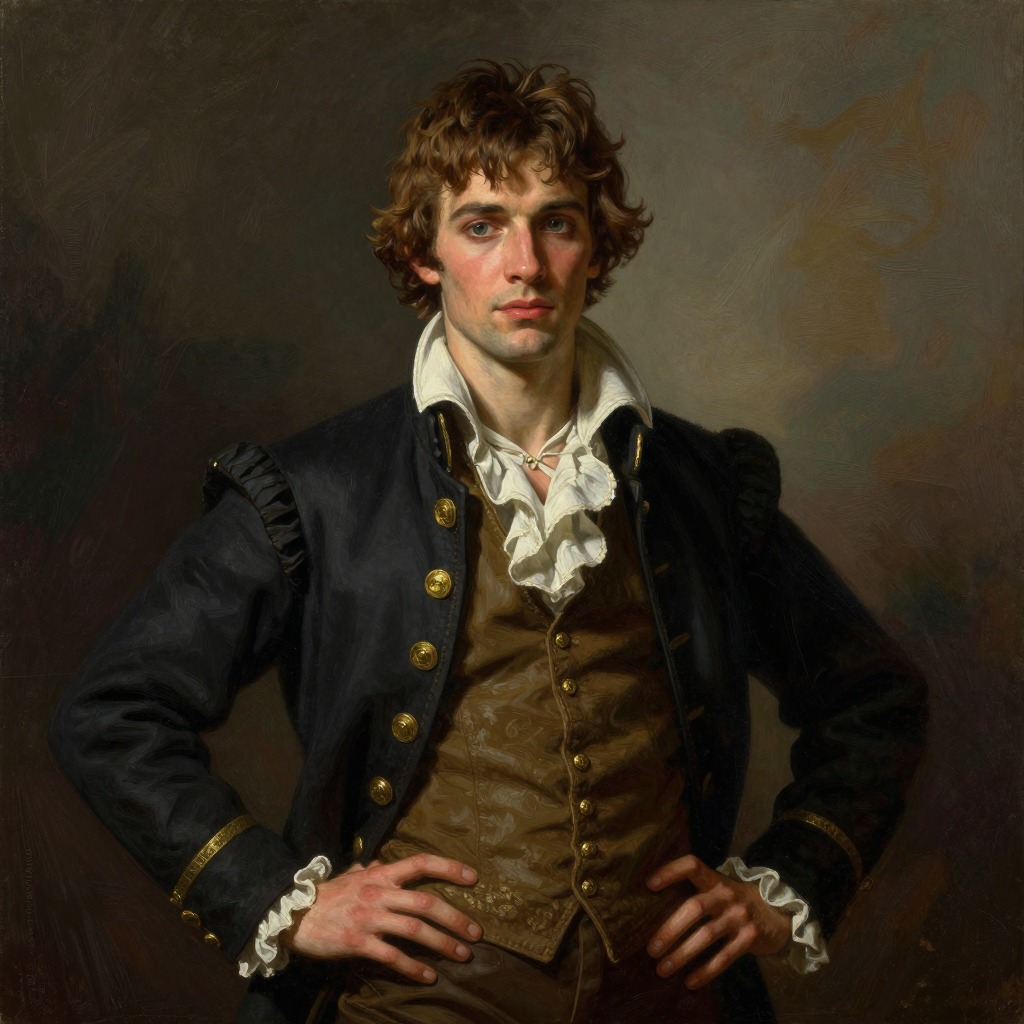
The Count of Monte CristoThe Island of Monte Cristo is a small, conical, and uninhabited rock in the Mediterranean Sea, situated between Corsica and the Island of Elba, about twenty-five miles from Pianosa. To the sailors who navigate these waters, it is a barren mass of granite, a desolate landmark known only as a refuge for smugglers and pirates. Yet for Edmond Dantes, this seemingly worthless island becomes the cornerstone of his destiny, the physical location of a treasure that transforms him from a destitute fugitive into the all-powerful Count of Monte Cristo.
Geography and Character
The island is described as a rock of almost conical form, looking as though it had been thrust up by volcanic force from the depths of the ocean. Its surface is a chaotic jumble of granite rocks, with green bushes and trees growing in the crevices. Wild goats bound from crag to crag, and lizards glittering with the hues of the emerald are disturbed at every step. The island is completely deserted, with no fixed habitations, though it serves occasionally as a refuge for smugglers and pirates from Corsica, Sardinia, and Africa. The highest point of the island offers a panoramic view of the surrounding sea, including Corsica, Sardinia, and the Island of Elba, making it a natural vantage point. The island's only harbor is a small creek, hidden like the bath of some ancient nymph, wide enough at its mouth and deep enough in the center to admit a small vessel of the lugger class, which would be perfectly concealed from observation.
The Treasure and Its Discovery
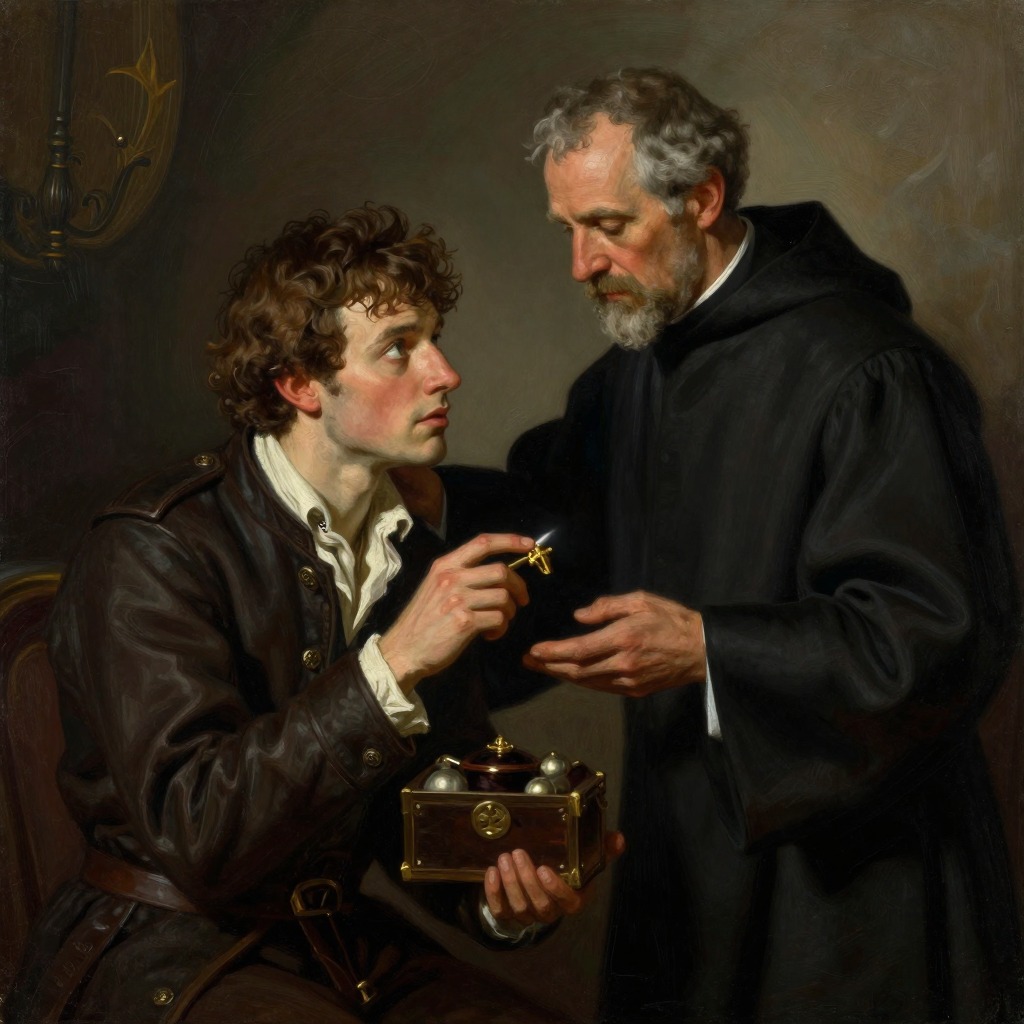
The island's true significance lies in the treasure buried within its caves. Cardinal Spada, fearing for his life after being invited to dine by Pope Alexander VI, hid his immense fortune—ingots of gold, money, jewels, diamonds, and gems—in the farthest angle of the second opening of a cave on the island. The secret of the treasure was passed down through a cryptic will, which eventually came into the possession of the Abbe Faria. Faria, imprisoned in the Chateau d'If, deciphered the will and shared its secret with his fellow prisoner, Edmond Dantes. After Faria's death and Dantes' daring escape, Dantes made his way to the island. Feigning an injury to be left alone by the crew of the smuggling vessel The Young Amelia, he located the hidden entrance, used gunpowder to move a massive rock, and discovered the chest containing the treasure. The chest was divided into three compartments: one blazed with piles of golden coin, another held bars of unpolished gold, and the third contained handfuls of diamonds, pearls, and rubies.
Narrative Significance and Symbolism
The Island of Monte Cristo is far more than a mere setting; it is the central symbol of the novel. It represents the hidden potential for transformation, the idea that immense power and wealth can lie dormant beneath a barren and unremarkable surface. For Dantes, the island is the instrument of his rebirth. The treasure he finds there provides him with the unlimited resources necessary to execute his elaborate plan of vengeance against those who wronged him and to reward those who remained loyal. The island's name itself becomes his new identity, a title that signifies his mysterious origins and his immense, almost supernatural power. The island is also a place of profound personal significance. It is where Dantes, after years of suffering, first tastes freedom and begins to forge his new self. It is where he later brings Maximilian Morrel to offer him a peaceful death, and where, in the final scene, he leaves a letter for Morrel and Valentine, imparting his final wisdom: "Wait and hope." The island thus bookends Dantes' journey, from the discovery of his power to the final act of his story, serving as a constant reminder of the transformative potential of both suffering and fortune.
The island's name has been widely adopted in adaptations and cultural references. In Japan, the novel's first translation by Kuroiwa Shūroku (1901–1902) was titled "Shigai Shiden Gankutsu-ou" (King of the Cavern), and the "Gankutsu-ou" label remains so strongly associated with the story that it has been used for nearly all Japanese film adaptations, including the 2002 film where it appears as a subtitle. The novel's popularity in Japan has also influenced the perception of a famous miscarriage of justice case, known as the "Yoshida Gankutsu-ou incident." Stage adaptations have further cemented the island's symbolic role: Charles Fechter's 1868 English play, which premiered at the Adelphi Theatre in London and later opened the Globe Theatre in Boston in 1870, altered the plot significantly—omitting the Rome section, changing the fates of antagonists, and reuniting Dantès with Mercédès while excluding Haydée entirely. James O'Neill later performed the lead in a commercially successful revival starting in 1883, eventually buying the rights and abridging the play. Numerous film versions have appeared since 1908, including silent films, a 1934 Hollywood adaptation, a 1942 Mexican version, a 1961 French production starring Louis Jourdan, and a 1975 television film with Richard Chamberlain, each interpreting the island's treasure and transformative power in distinct ways.